
At no time in history has social connection become more critical to human health and well-being than right now. Humans are social beings, so connection and belonging are necessary for success and survival. Factors such as increased use of technology, rising levels of social anxiety, and less face-to-face interaction, however, are causing people to feel increasingly disconnected from one another and social groups. This reality extends into the workplace.
77% of respondents to a survey conducted by the Institute of Leadership and Management indicated building close work relationships was the most important factor influencing job satisfaction.
Imagine a workplace where efforts are seen, contributions are celebrated and every individual feels connected to the organization’s success. That kind of culture doesn’t happen by chance — it’s built through intentional, strategic recognition.
Employees who feel connected — to one another, their team, and the organization — are more engaged, stay longer, and are more likely to contribute to the organization’s success. There is, however, a proven cornerstone upon which organizations have repeatedly and successfully built and scaled employee engagement: recognition. Employees who feel appreciated and recognized for their contributions and roles in a team are more likely to be engaged and contribute to organizational success. The cost of not making recognition and appreciation a part of life at work can be detrimental to not only employee engagement and experience but business results.
Gallup’s State of the Workplace: 2023 Report revealed that business units and teams with engagement scores in the top quartile had significantly better scores on key business outcomes than those in the bottom quartile:
• 81% lower levels of absenteeism
• 23% higher profitability
• 18% lower turnover
• 64% lower accidents and safety incidents
• 18% higher sales productivity
• 41% lower product defects
And if this data doesn’t make the case for the power of employee engagement, the collective consequence of disengaged employees is even more staggering. Also reported by Gallup, “employees who are not engaged or who are actively disengaged cost the world $8.8 trillion in lost productivity”.
Organizations without recognition programs see 14% lower levels of employee engagement, productivity, and performance. Employees that don’t feel appreciated are more likely to leave, feel higher levels of burnout, and are less motivated and productive, resulting in negative impact on an organizations’ workplace cultures and bottom line. 66% of employees say they would ‘leave their job if they didn’t feel appreciated.” Feeling
unappreciated also has consequences on employee health and well-being, contributing to higher levels of absenteeism and health care costs.
An effective employee recognition strategy and program is no longer a nice-to-have but a business imperative and integral part of organizations’ business and people strategies. Yet organizations struggle to prioritize, activate, and maintain employee recognition and employee engagement into the employee experience. Cultivating a culture of recognition requires an integrated, co-created approach, one that utilizes multiple strategies and tactics and a long-term commitment of resources and tools in order to gain and sustain traction and impact.
The following playbook provides a comprehensive guide for making recognition an enduring element of organizational success.
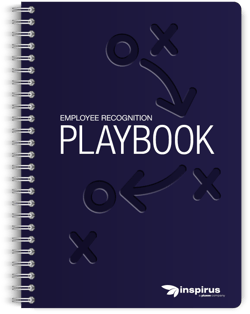
Building a successful workplace culture starts with consistent, intentional employee recognition. Many organizations are realizing that a structured employee recognition plan is essential for supporting employee engagement, strengthening company culture, and encouraging employees to deliver high performance and quality work. When recognition becomes part of day-to-day operations rather than an occasional gesture, employees feel appreciated and more connected to the organization’s goals.
A successful employee recognition program goes beyond simple rewards. It establishes a clear recognition strategy for how to recognize employees, reinforce company values, and celebrate both major achievements and everyday contributions. Recognition programs help employees understand the value of their work, promote positive behaviors, and create a culture of recognition that supports collaboration, innovation, and long-term business success.
Many organizations struggle to launch a new recognition program because they lack defined guidelines or best practices. Without a structured approach, recognition efforts may feel inconsistent or inequitable, which can negatively impact team morale and increase employee turnover. The Employee Recognition Playbook was developed to help HR leaders and managers build an effective recognition program that supports fairness, transparency, and equitable recognition across the entire team.
This playbook outlines the essential components of effective employee recognition programs, including how to align recognition with core values, identify meaningful recognition opportunities, and deliver recognition in a timely and consistent manner. It also provides guidance on combining formal recognition—such as Employee of the Month awards, gift cards, or public recognition—with informal recognition like thank you notes, social recognition, or celebrating someone’s birthday with an office lunch. These recognition efforts help employees feel valued and supported in their daily work.
Recognition is especially important in modern workplaces where teams may include remote employees, new hires, contractors, and co-workers across different locations. In these environments, structured recognition programs and recognition software tools help organizations maintain connection, visibility, and consistency. Integrating recognition into everyday workflows—such as team meetings, performance reviews, and employee feedback discussions—ensures employees receive recognition for their hard work and contributions on a regular basis.
Another key focus of the playbook is helping organizations deliver meaningful recognition that reflects employee preferences and supports well-being and mental health. Recognition is most effective when it is specific, personalized, and aligned with employee experience goals. Whether recognition takes the form of peer to peer recognition, public recognition, formal awards, or simple words of appreciation, the goal is to create a workplace culture where employees feel respected, supported, and motivated to contribute innovative ideas.
The Employee Recognition Playbook also emphasizes measuring program effectiveness. Tracking participation rates, recognition frequency, employee feedback, and engagement metrics allows organizations to continuously improve their recognition strategy and demonstrate the benefits of recognition programs. These insights help HR teams refine recognition processes, support equitable recognition, and ensure recognition programs continue to drive engagement, retention, and productivity.
Ultimately, organizations that invest in structured and meaningful recognition programs create stronger workplace cultures, improve employee experience, and support long-term business growth. By following the guidance in this playbook, leaders can build a culture of recognition that encourages employees, strengthens relationships, and reinforces the behaviors that drive success.
The Employee Recognition Playbook provides a practical framework to help organizations build a successful employee recognition program that supports engagement, strengthens culture, and improves program effectiveness.
Step 1: Define Your Recognition Goals
Start by identifying what your organization wants to achieve through recognition. Goals may include improving employee engagement, reducing employee turnover, supporting well-being, or encouraging employees to deliver high performance and quality work.
Step 2: Align Recognition with Company Values and Core Values
Recognition should reinforce the behaviors and actions that support your organization’s mission and culture. Aligning recognition programs with company values helps create consistent expectations and encourages positive behaviors across the workplace.
Step 3: Establish Clear Recognition Guidelines and Best Practices
Develop formal programs and processes that outline when and how to recognize employees. This includes defining recognition criteria, approval workflows, and recognition tools to ensure recognition is delivered fairly and consistently.
Step 4: Empower Managers, Peers, and Teams to Participate
Encourage peer recognition and peer to peer recognition across the organization. When other team members are empowered to recognize contributions, recognition becomes part of everyday interactions and strengthens team morale.
Step 5: Measure Program Effectiveness and Continuously Improve
Track participation, employee feedback, and engagement metrics to evaluate recognition program performance. Use these insights to refine your recognition strategy and ensure recognition efforts continue to support business goals.
Implementing structured employee recognition programs provides measurable benefits for organizations, employees, and workplace culture. When recognition is consistent and meaningful, it can drive engagement, strengthen relationships, and improve overall performance.
Improved Employee Engagement
Employees who receive regular recognition are more likely to stay engaged, motivated, and committed to their work.
Stronger Employee Retention
Recognition helps employees feel appreciated and valued, reducing employee turnover and supporting long-term retention.
Higher Productivity and Performance
Acknowledging hard work and achievements encourages employees to maintain high performance and continue delivering quality work.
Reinforcement of Company Culture and Values
Recognition programs reinforce company culture and core values by highlighting the behaviors that support organizational success.
Better Workplace Morale and Well-Being
Consistent employee appreciation improves team morale, supports mental health, and helps create a positive work environment.
Increased Collaboration and Peer Recognition
Recognition encourages teamwork, communication, and collaboration among co-workers and across departments.
Greater Visibility Into Employee Contributions
Recognition programs help leaders identify top performers, celebrate innovative ideas, and recognize employees for their contributions to the business.
The Employee Recognition Playbook provides a practical framework to help organizations build a successful employee recognition program that supports engagement, strengthens culture, and improves program effectiveness.
Step 1: Define Your Recognition Goals
Start by identifying what your organization wants to achieve through recognition. Goals may include improving employee engagement, reducing employee turnover, supporting well-being, or encouraging employees to deliver high performance and quality work.
Step 2: Align Recognition with Company Values and Core Values
Recognition should reinforce the behaviors and actions that support your organization’s mission and culture. Aligning recognition programs with company values helps create consistent expectations and encourages positive behaviors across the workplace.
Step 3: Establish Clear Recognition Guidelines and Best Practices
Develop formal programs and processes that outline when and how to recognize employees. This includes defining recognition criteria, approval workflows, and recognition tools to ensure recognition is delivered fairly and consistently.
Step 4: Empower Managers, Peers, and Teams to Participate
Encourage peer recognition and peer to peer recognition across the organization. When other team members are empowered to recognize contributions, recognition becomes part of everyday interactions and strengthens team morale.
Step 5: Measure Program Effectiveness and Continuously Improve
Track participation, employee feedback, and engagement metrics to evaluate recognition program performance. Use these insights to refine your recognition strategy and ensure recognition efforts continue to support business goals.
